
Central Iowa Marketing: Why Geography Matters More Than Most Brands Realize
Have you ever noticed how people talk differently depending on where you are?
Of course you have.
Go far enough in any direction, and the rhythm changes. The jokes change. The pace changes. What feels polite in one place feels cold in another. What sounds confident in one city sounds like bragging somewhere else.
That matters in marketing more than most businesses think.
Because geography does not just tell you where people live. It tells you something about how they live. It shapes priorities, trust, timing, expectations, and the little signals that make a message feel right—or feel off.
That is especially true in Iowa.
If you want to create Central Iowa marketing, you cannot just copy a message that worked somewhere else and hope it lands the same way here. You have to understand the people in front of you. You have to understand the place around them. And you have to write like you know the difference.
Honestly, it’s a matter of respect, not pandering.
At Type & Tale, we think that kind of awareness is part of what makes good marketing feel human in the first place.
Geography is not a footnote in marketing. It is part of the message.

Geography in marketing is the practice of adjusting your message to fit the place, culture, rhythms, and real life of the people you want to reach.
Most businesses think about geography in the obvious ways first:
Where should we run ads?
What cities do we serve?
What zip codes matter most?
Should we mention Des Moines or Central Iowa on the page?
Yes. All of that matters.
But geography goes deeper than targeting.
It shapes things like:
what people care about
what feels urgent
what sounds trustworthy
what kind of tone feels natural
what references feel relevant
what timing makes sense
what kind of promises people believe
That is where a lot of marketing misses the mark. It gets the map right and the message wrong.
People do not just buy as consumers. They buy as locals.
People are not floating around in a vacuum making purely logical decisions.
They live somewhere.
They deal with the weather there. They drive those roads. They raise families in those schools. They show up at those events. They carry the assumptions, habits, frustrations, and values of that place into every buying decision they make.
That does not mean every person in Iowa thinks the same way. Of course not.
But places do have patterns.
In Central Iowa, people tend to appreciate marketing that feels grounded. Clear. Useful. Human. Not overcooked. Not too impressed with itself. Around here, a lot of people can smell fluff from a mile away.
You might call some of that Midwest nice. And sure, that is part of it.
But I think it goes deeper than nice.
It is a kind of practical trust.
People want to know:
Do you do what you say you do?
Can I trust you?
Are you wasting my time?
Do you understand what my life or business actually looks like?
Are you talking to me like a real person?
That should change how you write.
It should change your headlines, your offers, your examples, your testimonials, your calls to action, and even how hard you push.
Sometimes the strongest message is the one that feels honest.
That is a big part of story-driven marketing. When your message is rooted in real people, real stakes, and real context, it lands better.
In Iowa, context is strategy.
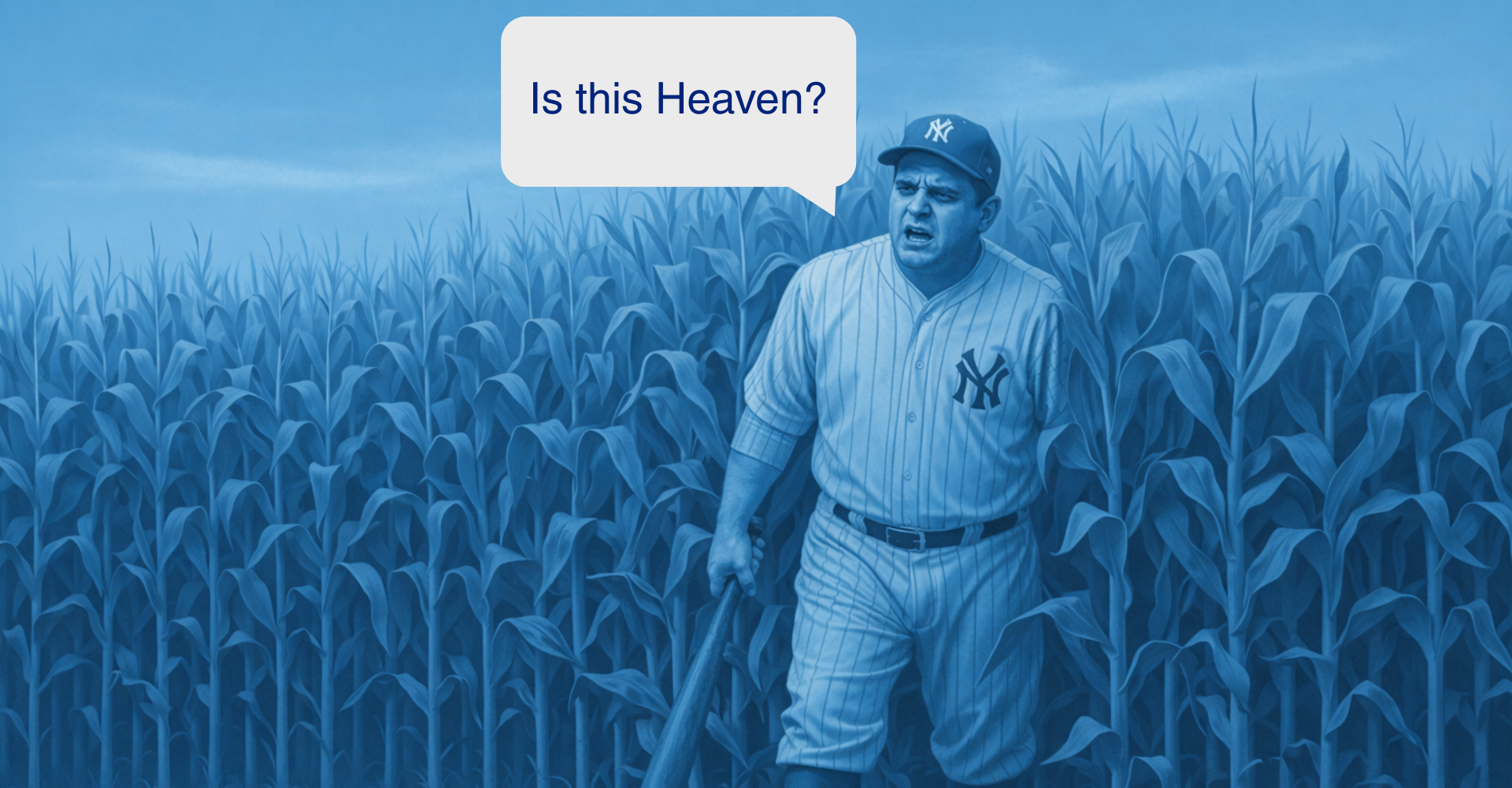
A message does not live on a page by itself. It lives in a real week, in a real season, in a real place.
That is where geography becomes practical.
In Central Iowa, marketing can be shaped by things like:
harsh winters and long gray stretches
spring cleanup and project season
summer events, travel, and packed calendars
back-to-school timing
harvest rhythms and ag-adjacent business cycles
football season
local festivals, fairs, and community events
storm season, snow, heat, and schedule changes
That does not mean every campaign needs a weather joke and a state fair reference.
It means your message should feel aware of the moment people are in.
A landscaping company in March should sound different than it does in July.
A B2B service provider talking to manufacturers in Q4 should not sound like a trendy startup speaking to coastal SaaS founders.
A contractor in Ankeny, Ames, or Des Moines should not use the same exact message as a luxury remodeler in Scottsdale.
Place changes pressure.
Place changes priorities.
Place changes what people need right now.
And good marketing pays attention.
The mistake most businesses make
Here is the mistake:
They create one “brand message,” call it strategy, and paste it everywhere.
Same homepage copy. Same social captions. Same offer language. Same ad angles. Same tone.
That is not consistency. That is laziness dressed up as efficiency.
Consistency matters. But consistent does not mean identical.
A good brand keeps the same heart while changing the delivery.
Think of it like this: Your message should have a backbone, not a script.
The backbone stays the same: who you help, what problem you solve, why it matters, why people should trust you.
But the script changes based on the room.
That is what geography helps you do. It helps you adjust without losing yourself.
It also works hand in hand with smart SEO services. Showing up locally matters, but sounding locally relevant matters too.
What Central Iowa marketing often gets right
The best Central Iowa marketing usually understands a few things.
It does not overperform.
It does not try too hard to sound important.
It does not confuse polish with trust.
Instead, it tends to work because it is:
Clear marketing
It gets to the point. It says what it does. It does not hide behind trendy language.
Useful marketing
It answers real questions and solves real problems.
Relatable marketing
It sounds like a person, not a pitch deck.
Timely marketing
It reflects what people are actually dealing with right now.
Local without being gimmicky marketing
It knows the difference between relevance and forced hometown theater.
That last part matters.
There is a lazy version of “local marketing” that just sprinkles in city names and calls it a day.
That is not what I mean.
I mean writing in a way that makes people feel understood.
That takes more thought than swapping in “Des Moines” for “Denver.”
How to adjust your message by geography
Here is a framework you can actually use.
Not a giant brand exercise. Not a thirty-page worksheet. Just a simple filter you can run your messaging through before you publish anything.
The Geographic Messaging Filter
1. Where are we trying to connect?
City, region, neighborhood, rural, suburban, urban.
2. What shapes daily life there?
Weather, commute, school rhythms, industry cycles, local events, seasonal stress, community habits.
3. What do people tend to value there?
Speed? Practicality? Warmth? Tradition? Innovation? Status? Straight talk?
4. How do people want to be spoken to?
More direct? More conversational? More polished? More humble? More detailed?
5. What makes a message feel trustworthy in this place?
Proof? Familiarity? Testimonials? Local examples? Experience? Clarity?
6. What feels out of touch here?
Too much hype? Generic language? Bad timing? Big-city assumptions? Irrelevant references?
7. How should we adjust the message?
Headline, examples, offer, tone, CTA, visuals, timing.
You do not need to reinvent your brand for every zip code.
You just need to stop pretending every audience lives in the same world.
And once you know what needs to change, the next step is copywriting that actually reflects those differences in a clear, believable way.
A geographical marketing example
Let’s say your original headline is this:
We help growth-focused businesses unlock scalable brand momentum.
Could that work somewhere? Sure.
Would I lead with it for Central Iowa? Probably not.
Here is a version that fits better:
We help Central Iowa businesses clarify their message, earn trust, and bring in better leads.
Same service. Different feel.
The second one is clearer. Less inflated. More grounded. More local. More believable.
That is the point.
Geography does not always change what you offer.
But it often should change how you talk about it.
That is also why businesses need to use your story in your marketing. The more rooted your message is in who you are and who you serve, the more natural your marketing feels.
The Geographic Messaging Filter
Use this quick worksheet to adjust your message based on geography.
Original headline:
Localized version:
Why this version fits:
Geography is not the whole strategy. But it changes the strategy.
To be clear, geography is not magic.
You still need a strong offer. A clear message. A good website. Real proof. Smart SEO. Consistent follow-through.
But geography changes how all of that should be expressed.
It changes what examples to use.
It changes what assumptions you can make.
It changes what urgency sounds like.
It changes what tone earns trust.
It changes whether your marketing feels like it belongs here.
And that is the real question, isn’t it?
Not just “Does this sound good?”
But: Does this sound like it belongs in the world of the person reading it?
That is what strong Central Iowa marketing does.
It does not just chase attention.
It understands place.
It understands people.
And it speaks like both of those things matter.
If your message is clear but it still is not connecting, there is a good chance the problem is not only what you are saying.
It may be that you have not thought hard enough about where your audience is standing when they hear it.
And if you need help shaping the message itself, refining the site around it, or turning it into something more usable, that is where thoughtful website design and a clear contact page come in.
Frequently Asked Questions About Central Iowa Marketing
What is Central Iowa marketing?
Central Iowa marketing is marketing shaped around the people, culture, timing, and daily realities of businesses and audiences in Central Iowa. It goes beyond adding a city name to a webpage. It means adjusting your message so it feels relevant, trustworthy, and grounded in the place where your audience actually lives.
Why does geography matter in marketing?
Geography matters because people do not make decisions in a vacuum. They live in a specific place with its own weather, pace, values, routines, industries, events, and expectations. All of that affects what feels urgent, what feels useful, and what makes a message believable.
How does geography affect brand messaging?
Geography affects brand messaging by shaping tone, examples, timing, and trust signals. In one market, bold and flashy might work. In another, a simpler and more practical message might land better. The goal is not to stereotype people. It is to understand the world they are living in and speak in a way that fits it.
What makes marketing feel local without sounding forced?
Marketing feels local when it reflects real context, not when it throws in random place names. Good local marketing uses relevant examples, better timing, stronger awareness of what people are dealing with, and language that feels natural to the audience. Forced references usually do more harm than good.
What is the biggest mistake businesses make with local marketing?
The biggest mistake is using the exact same message everywhere and assuming it will work the same way in every market. A strong brand should stay consistent at its core, but the way it sounds and the way it connects should shift based on the audience and the place.
How can businesses adjust their messaging based on geography?
A simple way to start is by asking a few questions: Where is your audience? What shapes daily life there? What do people value? What tone feels trustworthy? What feels out of touch? Once you answer those, you can adjust your headlines, examples, calls to action, and offers so the message feels more natural and relevant.
Does this only apply to Iowa businesses?
Not at all. This applies anywhere. The reason Central Iowa is a strong example is that local culture, practical expectations, and regional rhythms are especially easy to see here. But the same principle works in any market. Good marketing pays attention to place.
How can I tell if my message is not fitting the market?
Usually, the signs are subtle at first. People visit the site but do not convert. They understand what you offer, but the message does not quite connect. The problem is not always the service or the strategy. Sometimes the message just does not sound like it belongs in the audience’s world.

Author: Noah Swanson
Noah Swanson is the founder and Chief Content Officer of Type and Tale.